Insights
In the world of design, we often celebrate the bold:
Big hero images, flashy animations, powerful UI transitions, and color palettes that demand attention.
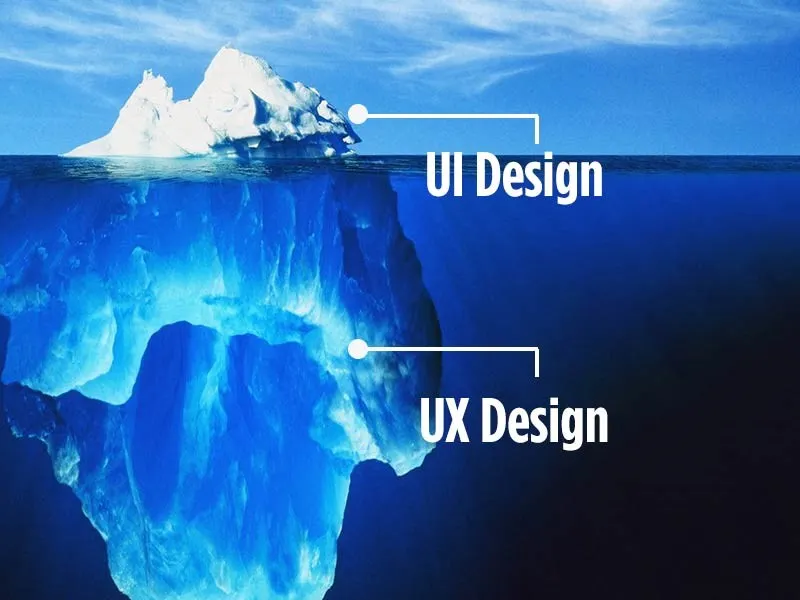
But some of the best design work doesn’t ask to be seen.
It just quietly makes everything… feel right.
This is the kind of UX that doesn’t say:
“Look at me.”
It says:
“I saw you.”
The Quiet Superpower of UX
Great UX isn’t about creating noise.
It’s about removing friction.
It’s about knowing when not to ask, when not to interrupt, and when to simply guide instead of control.
You know you’ve designed something meaningful when:
The user never gets stuck
The help text isn’t needed, because the interface already speaks clearly
The error is prevented before it even occurs
The interface adapts to how someone thinks, not how you want them to
This kind of UX doesn’t need applause.
Because the user never felt lost to begin with.
Silence = Trust
Silence in UX design isn’t about absence.
It’s about intention.
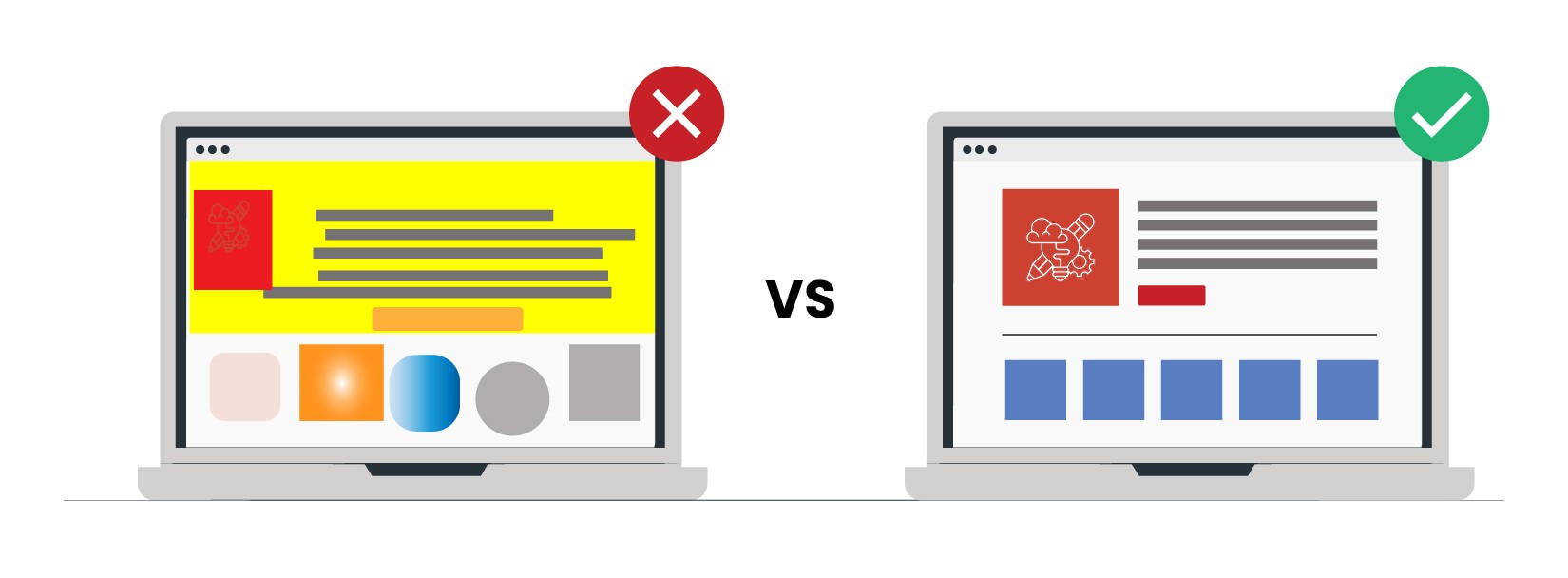
When we remove distractions, avoid over-communicating, and eliminate unnecessary steps — we’re not doing “less,” we’re building trust.
Trust is built when:
The system responds instantly
The user doesn’t feel watched or interrupted
You let people explore without fear of breaking things
You don’t shout errors, but gently guide resolution
Every unnecessary popup is noise.
Every forced tooltip is mistrust.
Every redundant confirmation is hesitation.
Design that trusts the user feels like silence.
And that silence? That’s respect.
Real-Life Examples of “Silent” UX
Think of these small, thoughtful decisions:
A form that skips irrelevant fields based on previous answers
A password input that instantly tells you “This looks strong”
A food delivery app that remembers your last address and preferences
A dashboard that shows progress, not just features
They don’t ask for praise.
They just do their job, and let the user feel capable.
Designing Quietly Doesn’t Mean Designing Less
It actually means designing deeper.
You ask:
What will this feel like after 5 uses?
What happens when the user is tired, distracted, or frustrated?
Can this step be removed, automated, or quietly improved?
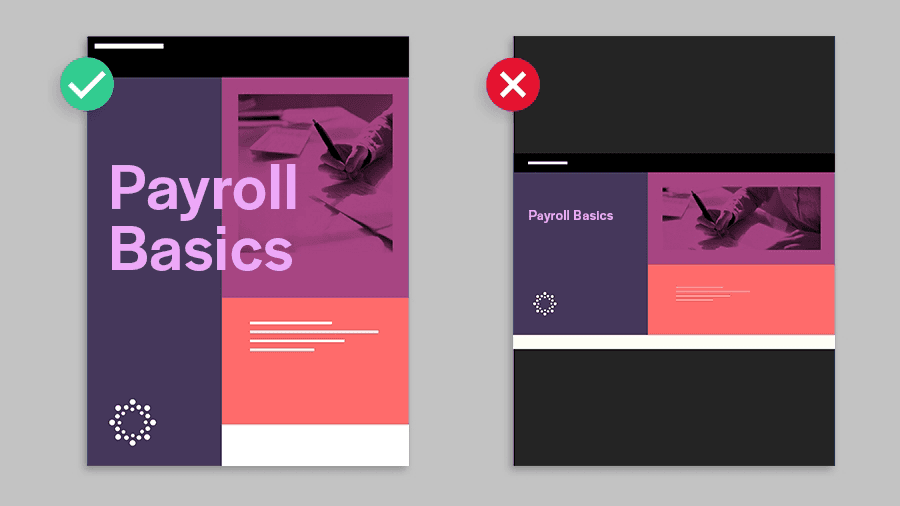
You don’t add for the sake of visual weight.
You subtract for the sake of mental clarity.
Final Thought
In an industry obsessed with standing out, silent UX stands tall by doing the opposite:
It blends in. It listens. It adapts.
And that’s exactly why it works.
Because the goal of UX isn’t to impress.
It’s to disappear, until the user needs it.
So the next time your design doesn’t get noticed…
It might just be the best thing you’ve made.