Insights
Introduction
When we talk about UX design, the focus usually goes to beautiful interfaces, smooth onboarding, or clever interactions.
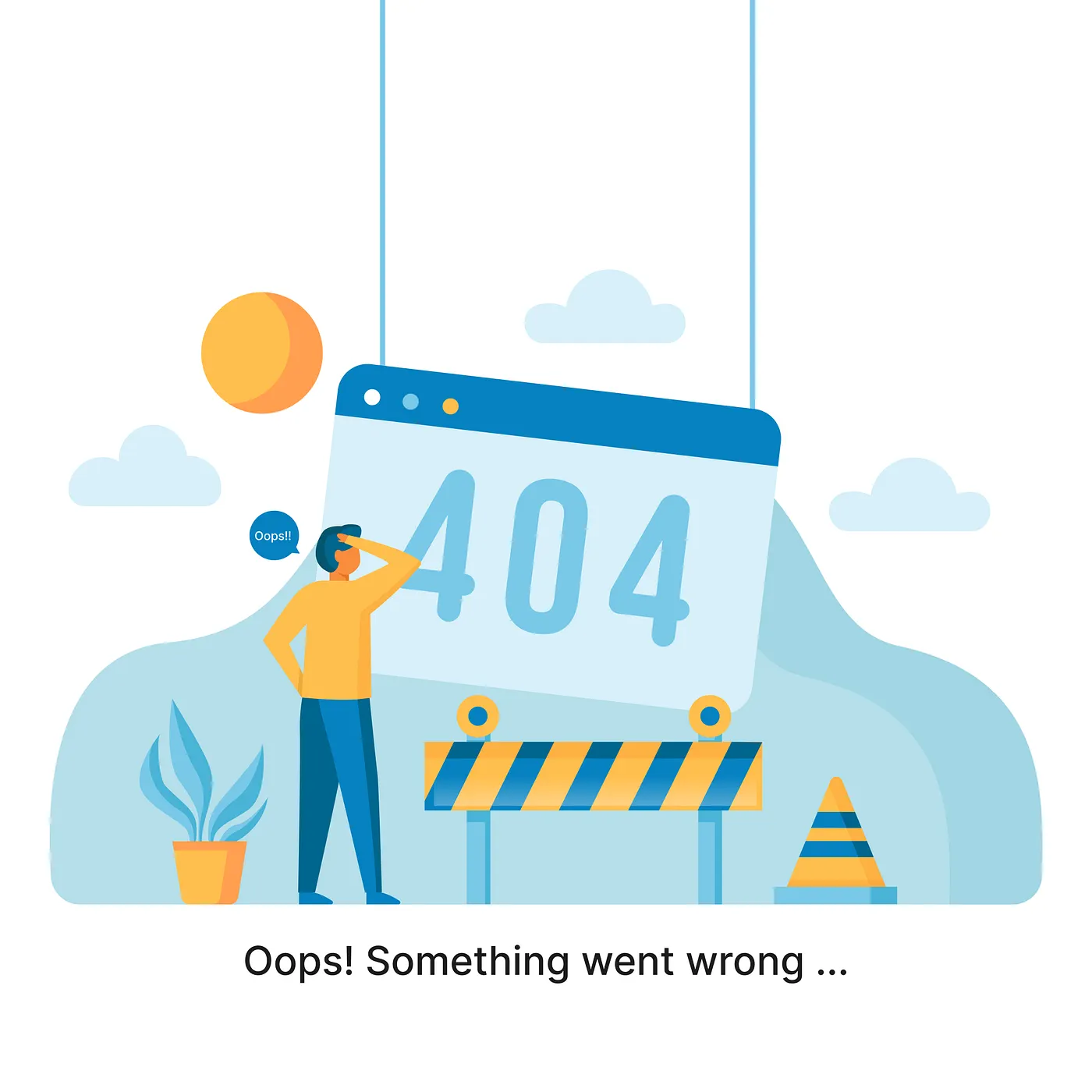
But there’s a part of product design that often gets very little attention: error states.
Something fails.
A form doesn’t submit.
A password is incorrect.
These moments are small, but they can quickly turn a smooth experience into a frustrating one.
Designing good error messages is not about adding a red warning.
It’s about helping users recover quickly and continue what they were trying to do.
Why Error Messages Matter
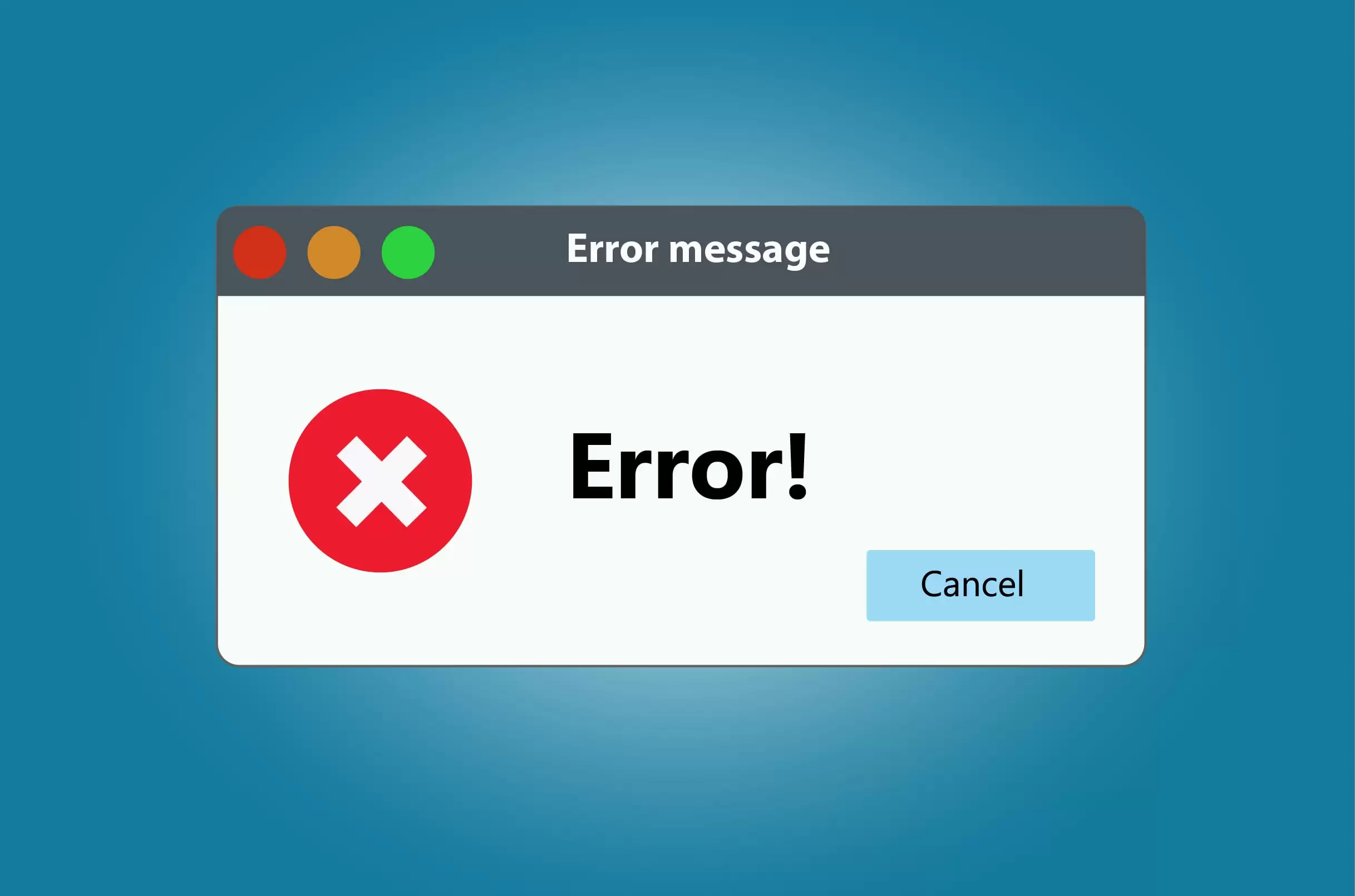
Error states appear exactly when the user is already facing a problem.
They might have entered something incorrectly, misunderstood the interface, or encountered a system limitation.
At that moment, the product should guide them, not confuse them further.
Poor error messages often look like this:
“Something went wrong.”
“Invalid input.”
“Error 404.”
These messages tell the user that something failed, but they don’t help them understand why or what to do next.
Good UX should reduce uncertainty, especially in these situations.
What Makes a Good Error Message
There are a few simple principles that make error messages far more useful.
First, the message should explain what happened.
For example:
“Your password must contain at least 8 characters.”
This tells the user exactly what the problem is.
Second, it should guide the user toward a solution.
Instead of just showing an error, the interface should make it easy to fix the issue.
For example:
“Please enter a valid email address, like name@example.com.”
Third, the tone should feel human and calm.
Error messages should never sound technical or intimidating. Users shouldn’t feel like they made a mistake that broke the system.
Designing for the Real Experience
UX design isn’t just about designing the perfect path where everything works smoothly.
Real users make mistakes.
They type the wrong password.
They miss a required field.
They misunderstand a form.
Good design anticipates these moments and supports the user when they happen.
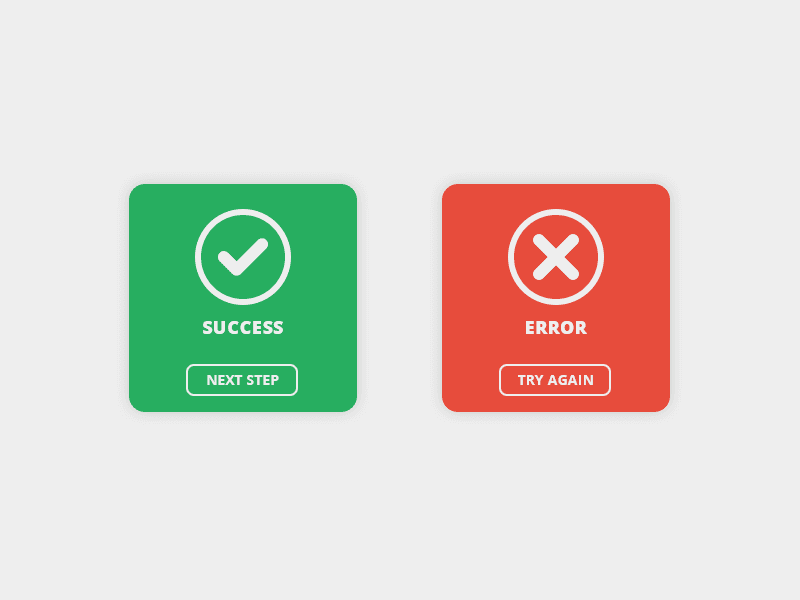
That’s why error states deserve the same level of attention as success screens.
Final Thought
Sometimes the smallest pieces of an interface carry the most responsibility.
A thoughtful error message can turn a frustrating moment into a quick correction.
And when users can recover easily, they trust the product more.
Design is not only about when things work perfectly.
It’s also about how well the product handles the moments when they don’t.